
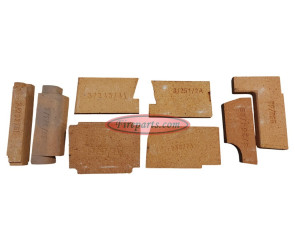
A Complete Guide to Log Burner Fire Bricks: Everything You Need to Know
If you own a log burner, you have probably noticed the thick, stone-like blocks lining the inside of your firebox. These are fire bricks (or liner panels), and they are far more than just decorative accessories. They are critical safety and efficiency components that keep your stove running smoothly.
Understanding how fire bricks work, how to maintain them, and when to replace them will save you money on fuel or firewood and protect your stove and your home.
What Do Fire Bricks Actually Do?
Fire bricks serve two vital purposes in a log burner: heat insulation and stove protection.
- They Trap the Heat: Instead of letting heat escape through the metal walls of the stove, fire bricks reflect the heat back into the firebox. This keeps the internal temperature high enough to achieve a clean, efficient burn.
- They Protect the Steel or Cast Iron: Wood fires burn incredibly hot. Without fire bricks acting as a shield, the intense direct heat would quickly warp, crack, or burn through your stove’s outer metal casing causing irreparable damage!
Clay vs. Vermiculite: What Are Your Bricks Made Of?
Most modern log burners use one of two materials for their internal liners:
| Feature | Fireclay / Cast Iron Bricks | Vermiculite Boards |
|---|---|---|
| Appearance | Heavy, dense, looks like traditional masonry. | Lightweight, yellowish-brown, pressed-particle texture. |
| Insulation | Absorbs and retains heat slowly over a long time. | Reflects heat instantly back into the firebox for a rapid, ultra-clean burn. |
| Durability | Highly resistant to physical impacts from logs. | Fragile; prone to crumbling if struck hard by firewood. |
How to Tell When Fire Bricks Need Replacing
Fire bricks are “consumable” items. Because they take the brunt of the fire’s heat, they will eventually wear out. You should inspect them regularly for these signs of wear:
- Hairline Cracks (Normal): Small, thin cracks are completely normal and occur due to the thermal expansion of the material. As long as the brick stays firmly in place and does not gaps open, it is safe to use.
- Deep Cracks or Splits (Monitor): If a crack splits a brick completely in two, but the pieces are still wedged tightly together, it will still protect the stove. However, you should order a replacement soon.
- Crumbling or Exposed Metal (Replace Immediately): If a piece of the brick falls away, exposing the bare metal of the stove body, stop using the log burner immediately. Burning wood with an exposed stove wall can permanently damage your appliance!
3 Tips to Make Your Fire Bricks Last Longer
Replacing the bricks can be an annoying expense. Maximize their lifespan with these simple habits:
- Load Wood Gently: Never toss or throw logs into the stove. Vermiculite bricks, in particular, break easily under physical impact. Place logs in gently using a pair of stove gloves.
- Avoid Oversized Logs: Do not jam massive logs into a small firebox. If a log tightly presses against the side bricks as it burns, the localized heat expansion can snap the bricks.
- Keep the Inside Dry: Burning wet or unseasoned wood creates excessive moisture and creosote, which can seep into clay bricks and cause them to degrade faster.
How to Replace Damaged Fire Bricks or Vermiculite Liners.
Replacing fire bricks is usually a straightforward DIY task. Most modern liners are not held in by screws or glue; they are simply wedged together like a Jigsaw puzzle, often held in place by the top baffle plate.
You can buy pre-cut brick sets specific to your stove model, or buy blank vermiculite boards and cut them to size yourself using a standard hand saw. Always make sure the stove is completely cold and ash-free before starting the replacement process.