
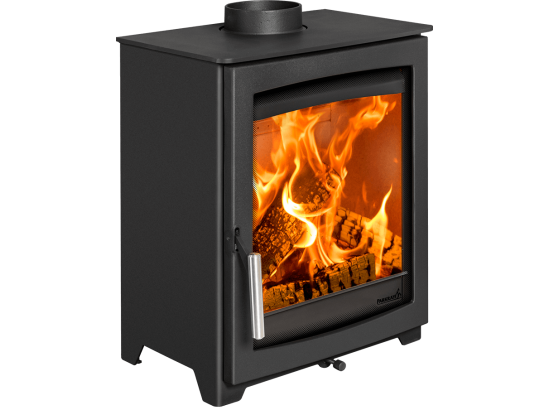
If you own or are looking to buy a traditional British wood burner, you have likely come across the name Hunter Stoves. As one of the most prominent heating manufacturers in the UK, the Hunter name carries over 50 years of heritage.
But where did this famous brand begin?
From a small regional workshop in Somerset to an international heating group, the history of Hunter Stoves is a fascinating journey of innovation, a mid-90s rebirth, and a modern commitment to clean-burn technology.
Here is the ultimate guide to the history of Hunter Stoves and how they became the industry heavyweight they are today.
1. The 1970s: Somerset Origins and the Off-Grid Boiler Boom
The story of Hunter Stoves begins around 1969 to 1970.
First, a small business named Hunter Stoves (Mells) Ltd was established. The workshop was located in the historic village of Mells, Somerset. Consequently, they began serving the rural communities of Somerset and Wiltshire.
In the early 1970s, many countryside properties lacked mains gas lines. Therefore, Hunter focused on a very specific problem. They started manufacturing heavy-duty steel wood burners. Specifically, these units were designed for off-grid boiler installations.
Most standard heaters of that era only warmed a single room. In contrast, these innovative boiler stoves did much more. They allowed households to run central heating radiators and hot water directly from a log fire. As a result, Hunter quickly built a stellar reputation for rugged durability.
2. The 1996 Rebirth: Moving to Devon
Hunter Stoves hit a rough patch after the initial wood burner boom. Changing economic conditions caused severe trading difficulties. By the mid-1990s, the original Somerset business had diminished completely.
However, the Hunter name was too good to lose.
In 1996, two experienced executives bought the design and manufacturing rights. Their names were Paul Grimes and Steve Clatworthy. They recognized the trusted reputation of the brand. Immediately, they relocated the entire operation to a new warehouse near Exeter, Devon.
Next, they gathered a small group of loyal employees. They also rebuilt the network of independent dealers. Because of this hard work, they successfully revived Hunter Stoves for a new generation.
3. Growth, Acquisitions, and Green Engineering
Once the brand was stable, the Hunter Stoves Group grew rapidly. They began acquiring other legendary names in the British heating industry.
- 2003: First, Hunter acquired the famous Parkray brand. This move instantly expanded their reach into the multi-fuel market.
- 2005: Next, the group purchased a large manufacturing facility in Camelford, Cornwall. This site became home to their main engineering team.
- 2014: Later, Hunter converted the Cornwall factory to run on green energy. They installed an onsite array of 700 solar panels.
- 2016: Finally, the group expanded by acquiring the luxury open-fire brand, Jetmaster.
4. The Hunter Stoves Brand Family Today
Today, the Hunter Stoves Group operates from a large hub in Exeter. They supervise a varied portfolio of distinct sub-brands:
- Hunter Herald: This is the flagship traditional line. It features classic styling, heavy steel bodies, and iconic double doors.
- Parkray Aspect: This is a highly popular contemporary range. It features exceptionally large glass viewing windows.
- Di Lusso & Allure: These are sleek, modern, flush-fitted stoves designed for urban spaces.
Looking to the Future: EcoDesign and DEFRA
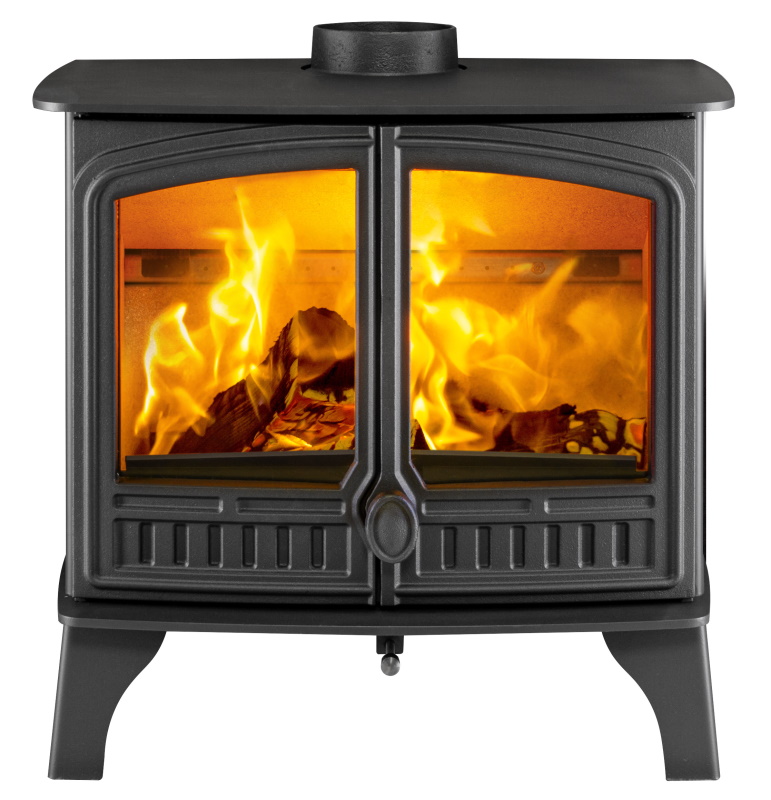
The original 1970s stoves were built strictly for raw heat output. In contrast, modern Hunter stoves focus heavily on environmental performance.
Every current model meets strict EcoDesign standards. They also pass DEFRA environmental regulations. Therefore, they produce incredibly low emissions and offer maximum wood efficiency.
Need Help with an Older Hunter Stove?
Because Hunter stoves are built to last for decades, thousands of original 1980s and 1990s models are still heating British homes today.
Are you trying to identify a specific old Hunter model you have inherited, or do you need to source replacement spare parts like baffle plates or firebricks? Leave a comment below describing your stove’s door design, and our community can help you pinpoint the exact model version!
Click HERE to see our comprehensive list of Hunter Spare Parts >>>>>>>