
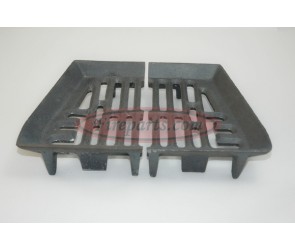
There is nothing quite like the cozy warmth of a real fire, but that comforting glow leaves behind a messy aftermath. The fire grate bears the brunt of every burn, supporting heavy logs or coal while enduring extreme temperatures. Over time, ash, soot, and corrosive residues build up on the metal.
Regular maintenance does more than just keep your fireplace looking sharp. A clean fire grate maximizes airflow, ensures an efficient burn, and significantly extends the lifespan of your fireplace components. If you want to keep your hearth in peak condition, follow this definitive guide on how to clean your fire grate safely and effectively.
Why Fire Grate Maintenance Matters
Every time you burn solid fuel, wood ash and coal deposits gather on and underneath the grate. Wood ash contains potassium carbonate, which turns highly alkaline when mixed with any moisture from the air or unseasoned wood. If left to sit on your cast iron or steel grate, this chemical reaction accelerates rust and weakens the metal, eventually leading to warping or cracking.
Furthermore, a clogged grate blocks the vital oxygen supply coming from underneath the fire. This results in a smoky, sluggish burn that produces more creosote—a highly flammable byproduct that builds up in your chimney.
What You Need to Get Started
Before you begin, gather your supplies. Because this job can get dusty, it is best to prepare your workspace in advance.
- A protective cloth, old tarp, or layers of newspaper
- A dust mask and heavy-duty work gloves
- A sturdy ash shovel and a fireplace hearth brush
- A stiff-bristle wire brush
- A bucket or heavy-duty rubbish bag for ash disposal
- A non-scratch scouring pad or nylon brush
- Warm, soapy water (using mild washing up liquid)
- A microfibre cloth or old towel
- A can of Fireparts High Temperature Stove Paint (optional, for restoration)
Step-by-Step Guide to Cleaning Your Fire Grate
Step 1: Let It Cool Completely
Never attempt to clean a fire grate that is still warm. Embers can remain hot beneath a layer of ash for up to 48 hours. Wait at least two full days after your last fire before starting the cleaning process to eliminate any fire hazard or risk of injury.
Step 2: Protect Your Living Space and Wear Protective Clothing
Soot travels fast and can easily stain carpets or upholstery. Lay down your floor protection directly in front of the hearth. Put on your dust mask and gloves to avoid inhaling fine ash particles and to protect your hands from sharp metal edges.
Step 3: Clear Out the Loose Ash
Use your fireplace shovel to scoop out the loose ash from the ashpan below and around the grate. Transfer the debris carefully into your bucket. Use your hearth brush to sweep down the grate itself, knocking any loose soot through the bars into the hearth floor for a final sweep.
Step 4: Remove the Grate for Debris Scraping
If your fire grate is freestanding, lift it out of the fireplace and place it onto your protected workspace. Take your stiff-bristle wire brush and vigorously scrub the metal grate. Focus on the underside and corners where stubborn, baked-on carbon crusts tend to form.
Step 5: Wash and Dry (For Heavily Soiled Grates)
If your grate has sticky residue or caked-on soot that the wire brush cannot budge, it is time for a wash:
- Dip a nylon scrubbing brush into a bucket of warm, soapy water.
- Scrub down the bars to dissolve the grease and carbon. Do not submerge or soak cast iron, as this can trigger immediate rusting!!
- Rinse the grate using a damp cloth with clean water.
- Dry instantly. Use an old towel to wipe away every trace of moisture. Never let cast iron air-dry as this can trigger immediate rusting!!
Step 6: Inspect and Restore the Finish
With the metal completely clean, inspect your grate for signs of thinning, deep cracks, or severe warping. If the metal is structurally sound but looks dull, chalky, or grey, you can restore its sleek, factory-fresh appearance. Apply a thin layer of specialized heat-resistant stove paint or traditional black grate polish. This creates a barrier against moisture and slows down future corrosion.
How Often Should You Clean your Grate?
After Every Fire: Empty the ashpan to maintain proper airflow for your next burn.
Monthly: Do a quick brush-down of the grate bars to prevent thick carbon buildup.
End of the Burning Season: Perform this comprehensive deep-clean before closing your fireplace up for the summer. Leaving acidic ash sitting on a grate during humid summer months is the number one cause of premature grate failure.
Knowing When It Is Time for a Replacement
Even with the best maintenance routine, fire grates are consumable items that eventually wear out from years of thermal shock. If your grate has severely sagged in the middle, if the bars have burnt thin, or if you notice visible fractures, it is time to replace it before it breaks during a live fire.
When you are ready to upgrade or replace your hearth components, we have you covered. Browse the extensive collection of heavy-duty cast iron fire grates and replacement parts at Fireparts.com to find the perfect fit for your traditional open fire, stove, or fireplace insert.